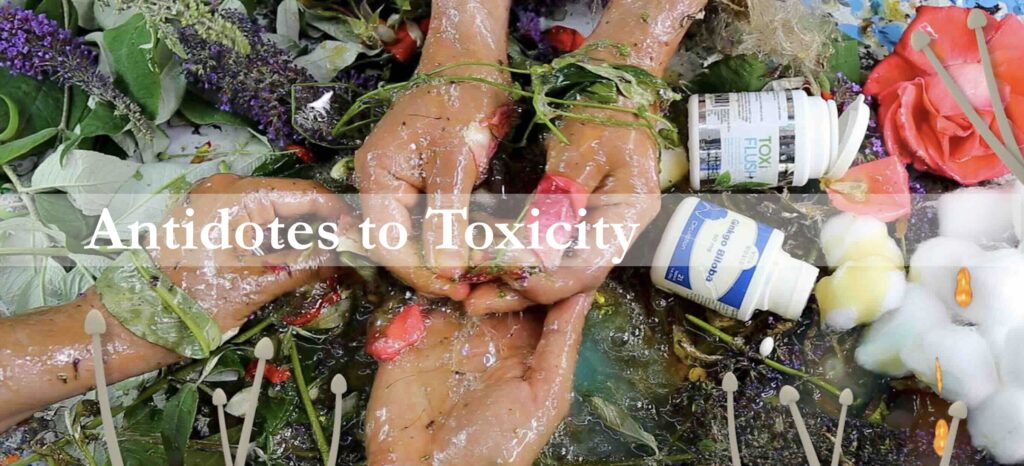
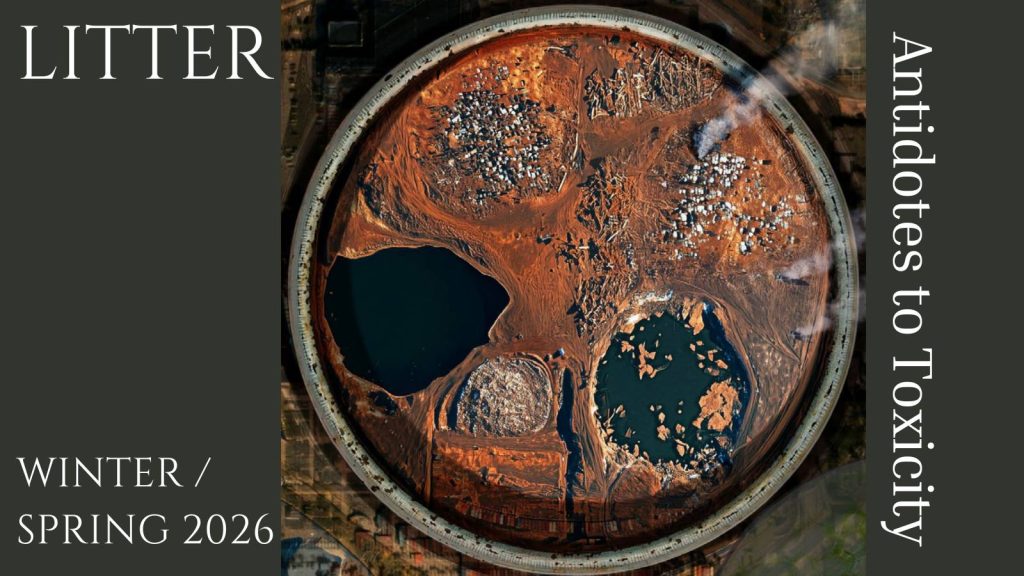
Antidotes to Toxicity: 2025-2026 EDC Theme
If we were to choose a word to mark the condition of our times, one which is permeating environments, social worlds, our very bodies, it might be “toxic.”
Toxic air and toxic discourse, toxic masculinity, toxic chemicals, and toxic politics. We live in a time when the term travels from the register of the molecular to the moral. The world we inhabit is laced with poisons: some visible, many invisible, some engineered, others inherited. And, they do not stay “out there.” Poisons seep inward, into lungs, into membranes, into soil, into the metabolic spaces between cells and systems. It settles in the structures of our social lives, poisoning institutions and imaginaries.
Toxicity is more than a descriptor of physical contaminants or harmful substances. It is a condition that entwines bodies and environments, ideas and infrastructures. It takes the form of illness and exhaustion, but also alienation, silencing, and harm. It undoes the conditions that promote health, wellbeing, community, coalition, inclusion, and safety. The world becomes unlivable not only because the air is thick or the soil is poisoned, but also when the collective capacity to care and imagine otherwise becomes contaminated.
And yet, these are not accidents. Exposure to toxicity is a symptom of bad design, and often deliberate design that is bad for some. What we are living through is the long consequence of extractive systems which poison, materially and ideologically, by prioritizing profit. We are not simply caught in toxic times; we are living in the wake of decisions that rendered toxicity inevitable.
However, sometimes the poison carries knowledge. Sometimes the toxin, under the right conditions, teaches us how to live differently. Always, the noxious prompts us to how we might locate its counterforces. The challenge, then, is not simply how to avoid toxins, but how to redesign the conditions that produce them.
If we consider the Hermetic medical symbol—the caduceus—with two intertwining snakes around the staff of Hermes as the Hermetic marriage between two equally important yet dual aspects of Sol (sun) and Luna (moon), a kind of yin and yang, if you will, we can begin to see the wisdom of the symbol as a whole but particularly the staff itself. As the great 15th-century Hermetic Swiss physician Paracelsus stated: “The dose makes the poison.” A statement that points directly to the wisdom and basis of medicine: a medial, or meditative, path that does not succumb to the trappings of duality alone—something the Tao Te Ching calls the Middle Way. When and where is it that our balance—as individuals, as a collective ecosystem, and as a culture — has tipped too far in one direction, off our medial path?
Over the 2025-2026 year the EDC asks: What might it mean to search, recognize, celebrate, and create antidotes to toxicity?
The antidotes might take the form of small, resistant acts—simple gestures of life-affirmation within one’s sphere of influence. Seeking actions that mitigate harm, restore possibility, and regenerate ecological systems. The antidotes might also take the form of large efforts. The antidote here is planetary. It is clean air, affordable housing, living wages, and rest. At any scale, the antidote intervenes at the level of origins and operations. Identifying the mechanism by which the toxic becomes toxic—to whom, in what ways, under what conditions—and then working backwards. A root cause analysis. A refusal to treat symptoms alone. A design to disassemble the machine that produces it.
At the Ecological Design Collective, we understand ecological design as more than aesthetic or technical intervention. It is a form of world-building. It is a way of resisting toxicity through the design of spaces, systems, and solidarities that enable life to flourish. To design an antidote is to craft the conditions for health, wellbeing, and joy. It is to reimagine polluted places as sites of renewal. To see not only what is wrong, but what is possible. And to act with others who are likewise struggling to breathe, to heal, to build. For 2025-2026, we will explore the many ways that toxicity manifests and the diverse strategies from the scientific, to the creative, to the social, to the speculative, that communities are developing to confront and transcend it.
We invite you to join us. If you are interested in hosting an event on this theme, please fill out this form here.
Events
-
-
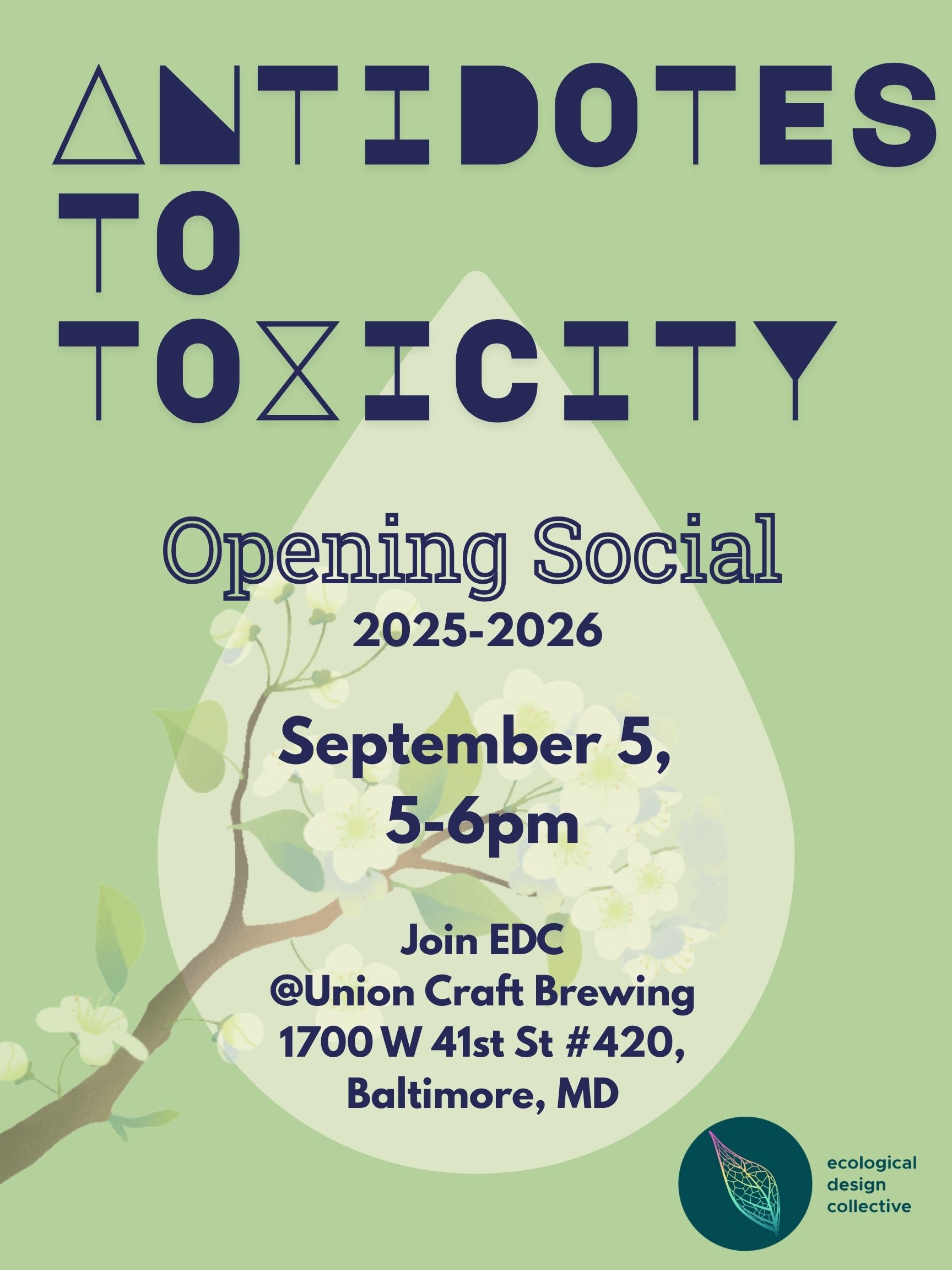
Ecological Design Collective Social
Union Craft Brewing 1700 West 41st St., Baltimore, MD, United StatesJoin the EDC to kick off the 2025-2026 year with a social gathering at Union Craft Brewing. Whether you're a long-time member or a new…
Free -
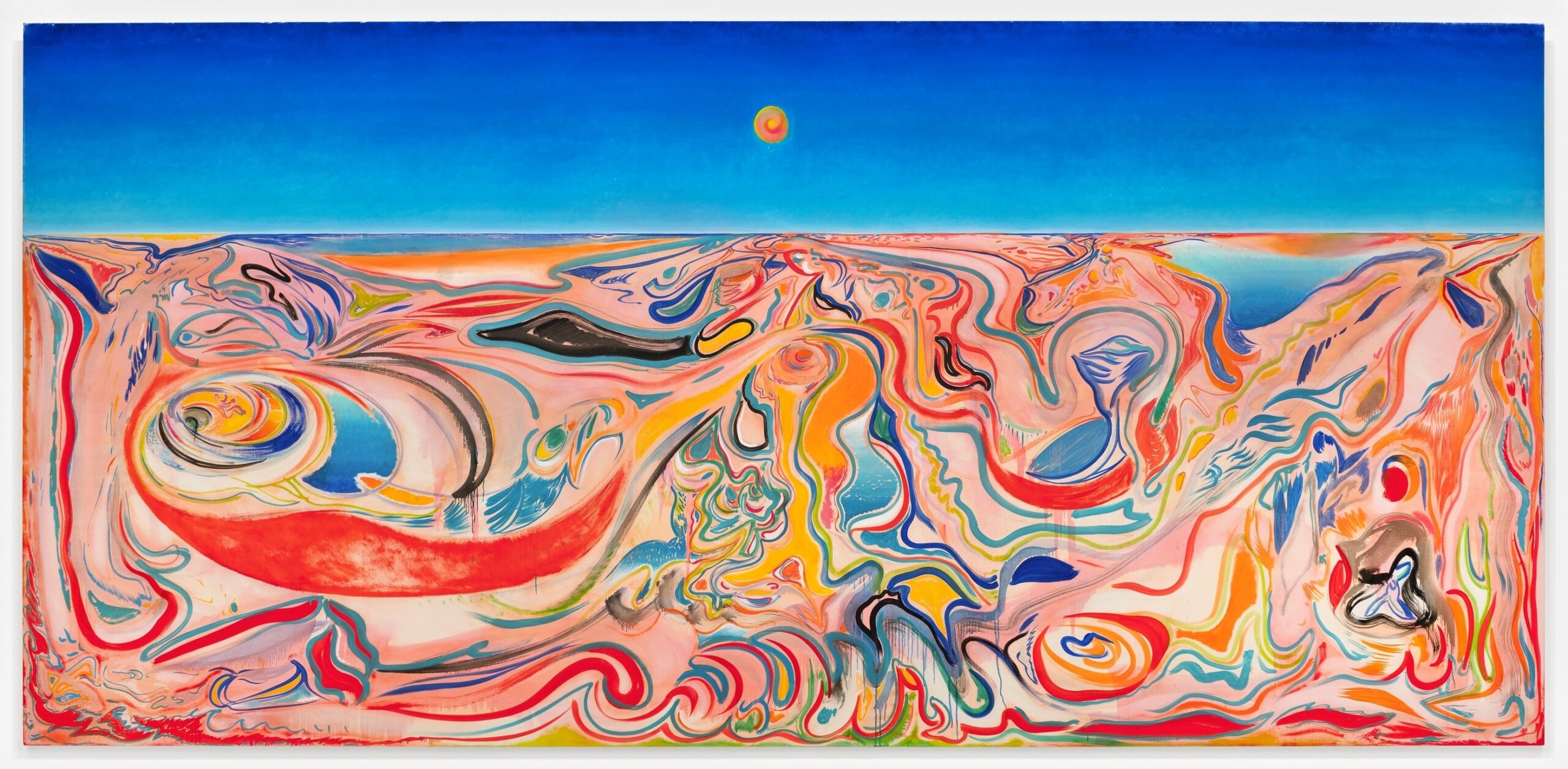
EDC Grounding: Join us for a Guided Tour of Black Earth Rising at BMA
Baltimore Museum of Art 10 Art Museum Drive, Baltimore, MD, United StatesJoin the EDC for our September Grounding Event where we will gather for a guided tour of Black Earth Rising, an exhibition that celebrates the…
Free -
-
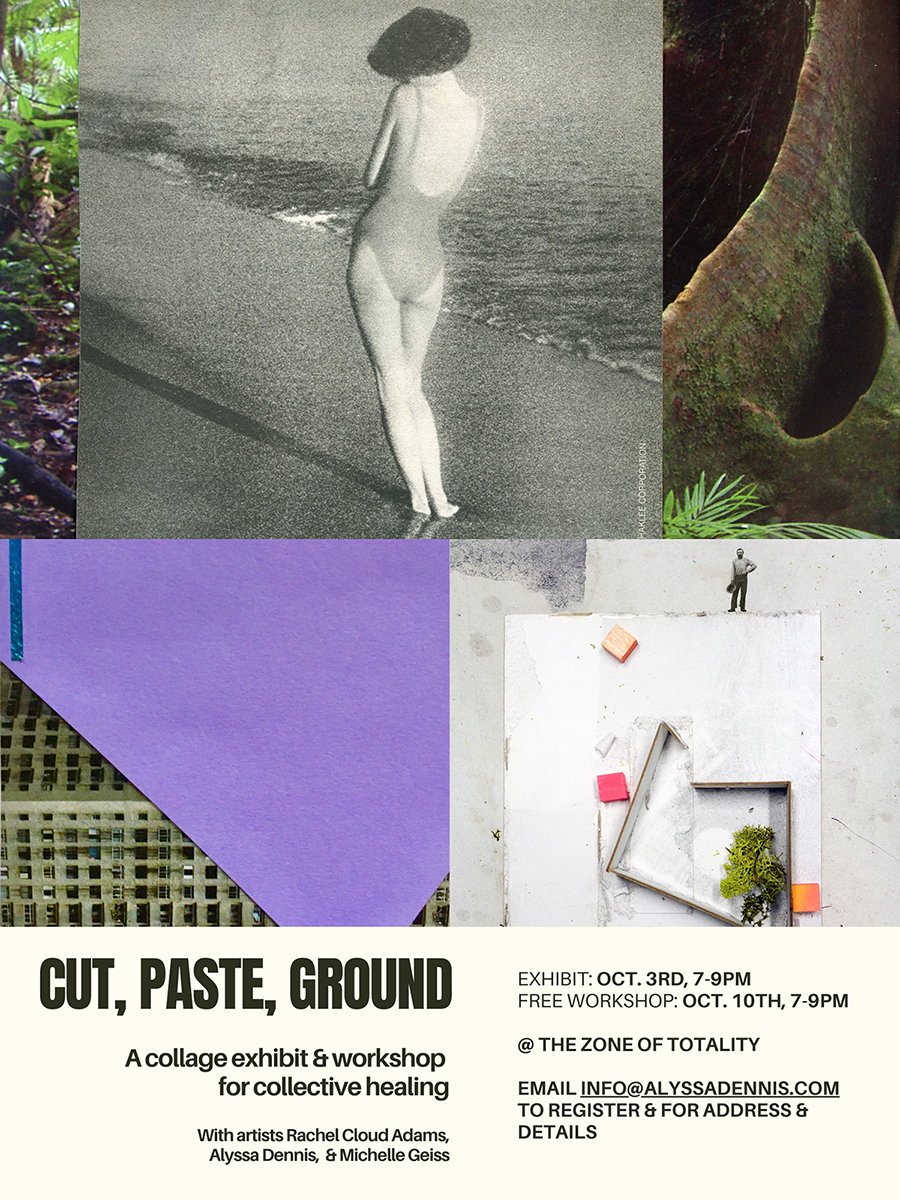
EDC Grounding: Cut, Paste, Ground – A Collage Exhibit & Workshop for Collective Healing
In times of crisis—pandemics, social and political unrest, and ongoing climate collapse—many experience both individual and collective grief that comes from watching systems fail, the…
FREE -
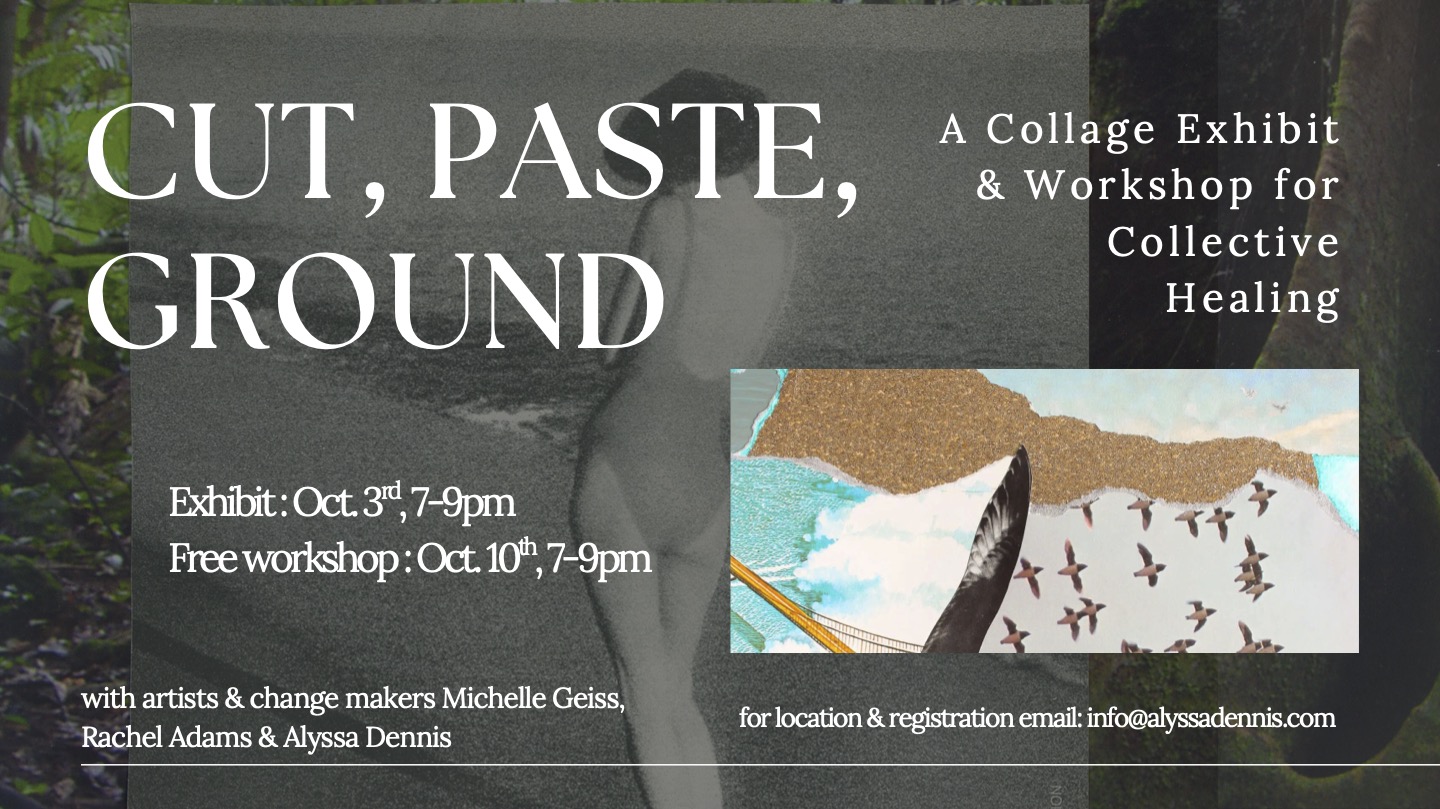
EDC Grounding: Cut, Paste, Ground – A Collage Exhibit & Workshop for Collective Healing
In times of crisis—pandemics, social and political unrest, and ongoing climate collapse—many experience both individual and collective grief that comes from watching systems fail, the…
FREE -
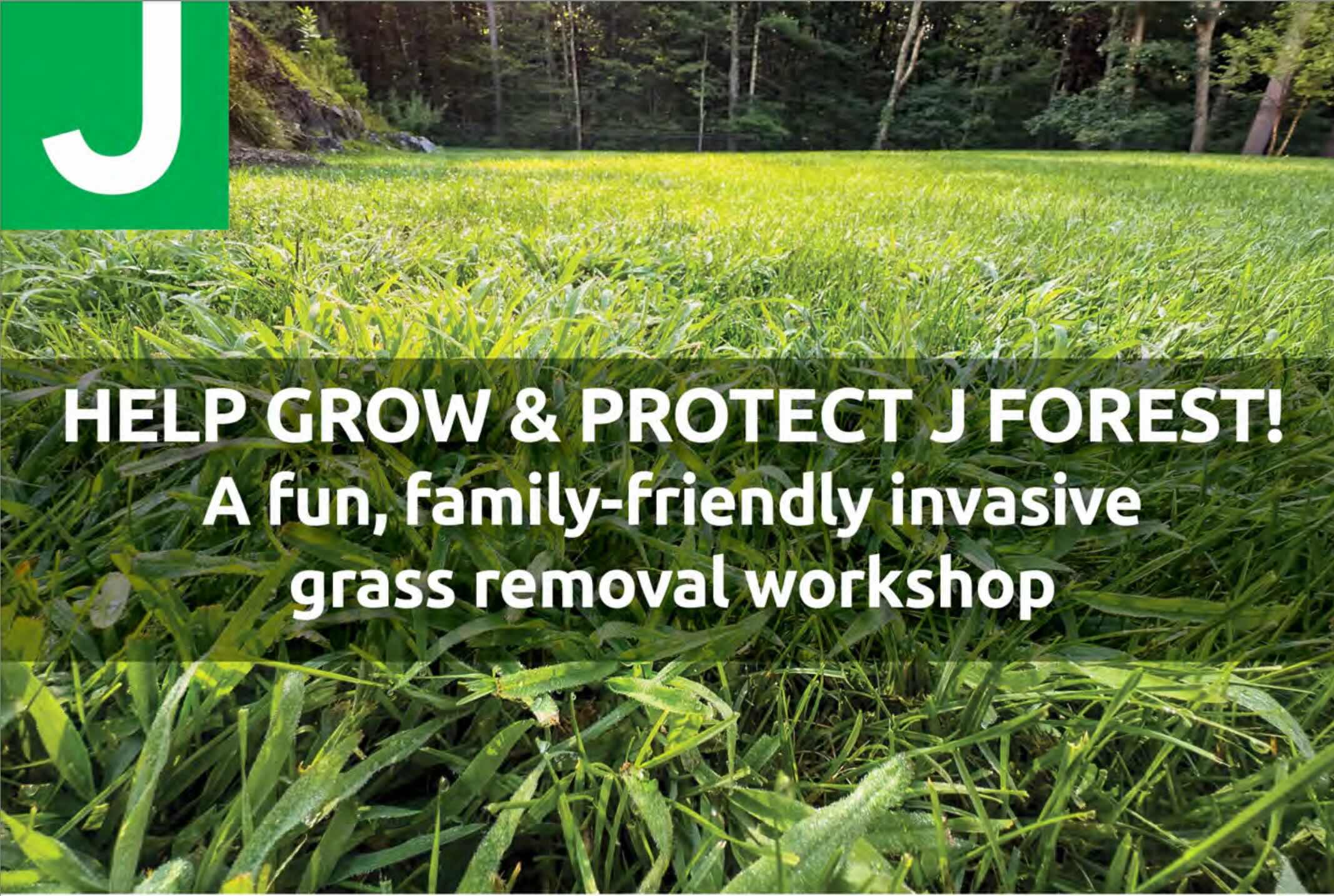
EDC Grounding: Invasive Grass Removal Workshop
Rosenbloom Owings Mills JCC (Entrance of Nature Trail)Help grow and protect forest! A fun, family-friendly invasive grass removal workshop. Join us in an act of care and restoration for our local forests.…
-
-
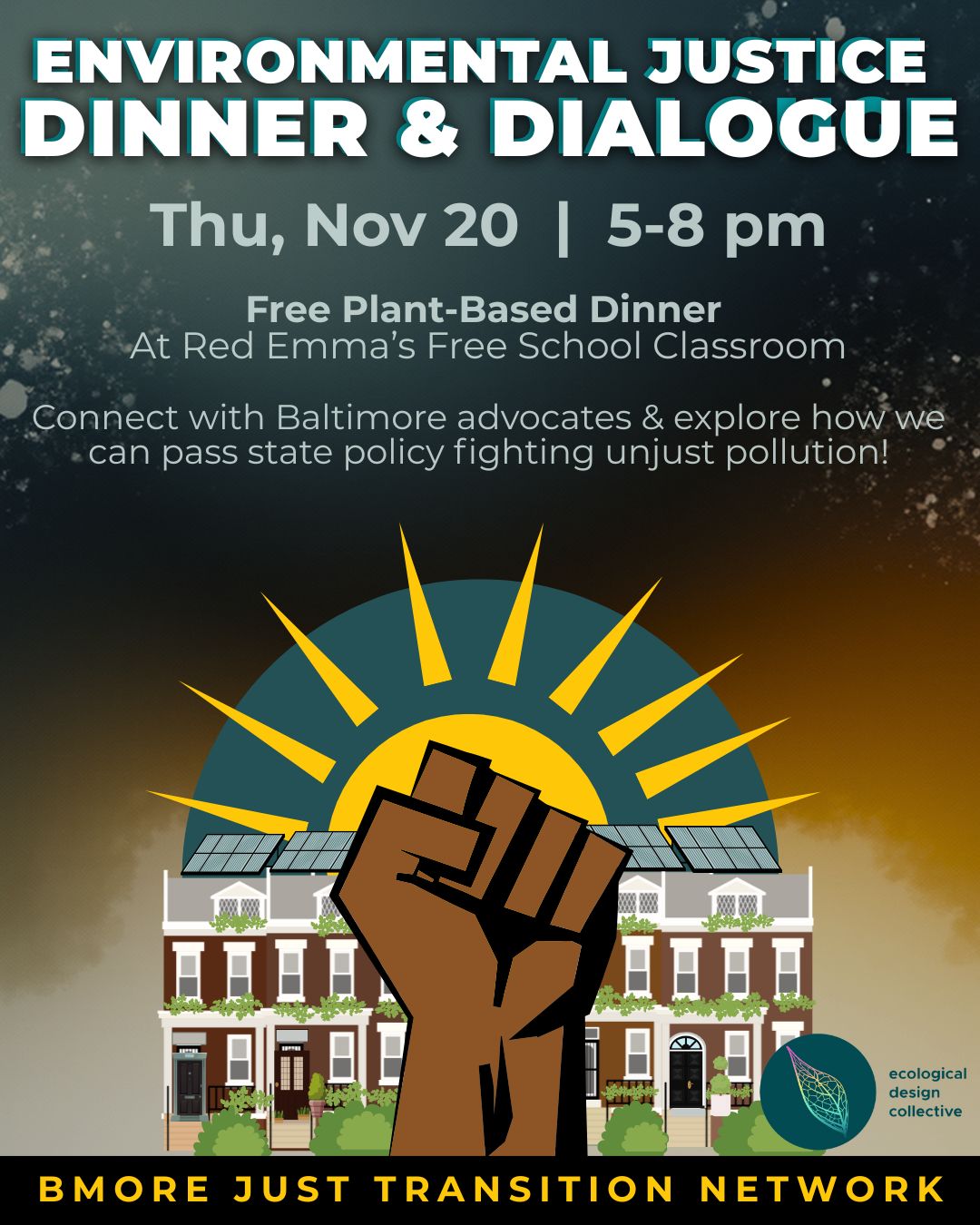
Environmental Justice Dinner and Dialogue
Red Emma'sJoin EDC for a conversation with advocates and activists in Baltimore. This event features activism as antidotes to toxicity. We are excited to convene next…
-
The Low Carbon Spaceship: Passive Architecture After Cheap Energy
Virtual EventA passive house is air-tight and highly insulated—so thermally efficient that, ideally, you don’t need to install any mechanical heating at all. But does this…
Free -
-
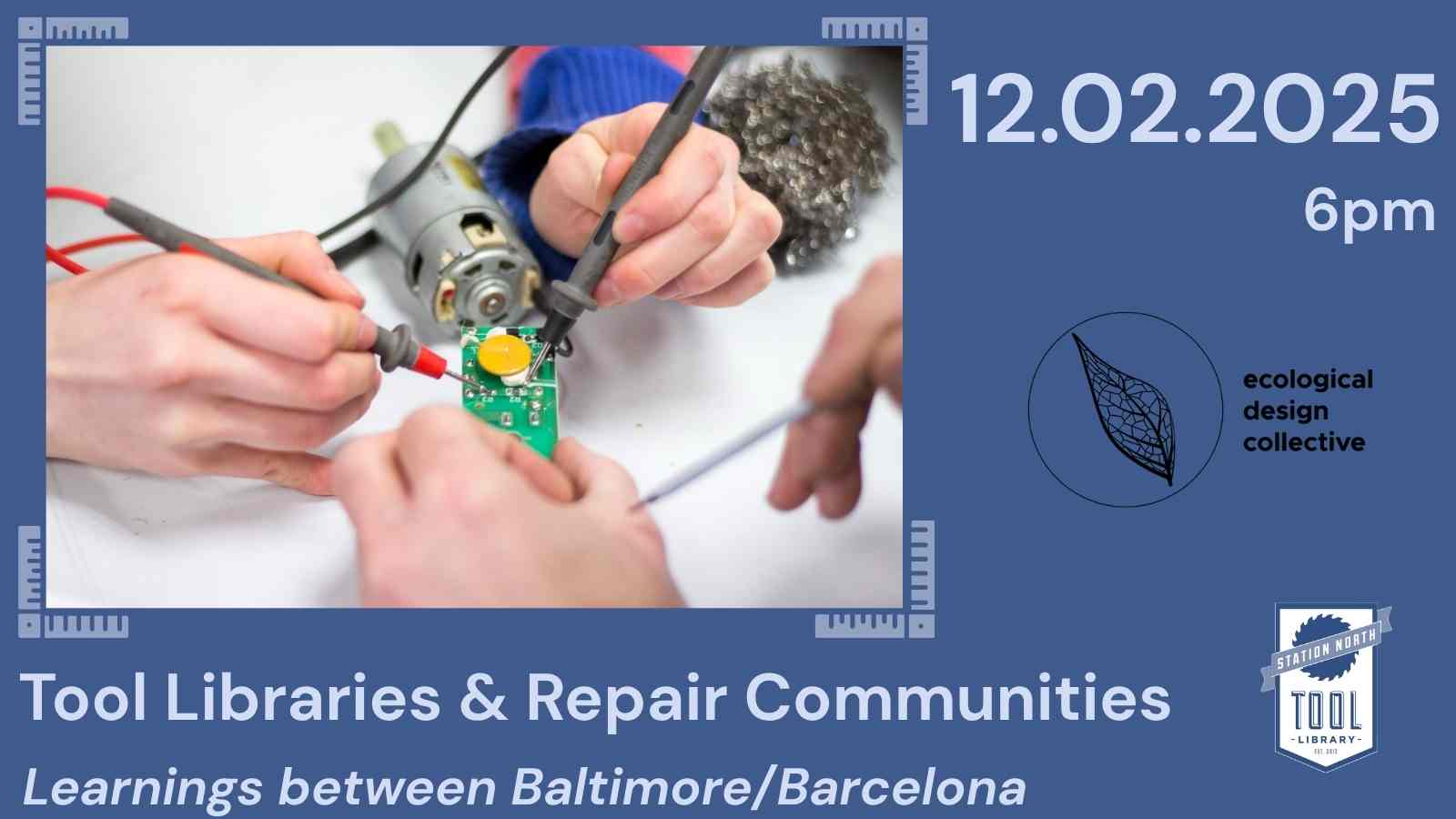
Tool Libraries & Repair Communities: Baltimore/Barcelona
The Station North Tool Library, 417 E Oliver St, Baltimore, MD 21202The rapid and massive cycle of production, consumption, and subsequent disposal of manufactured objects depends on the exploitation of finite natural resources and results in…
Free -
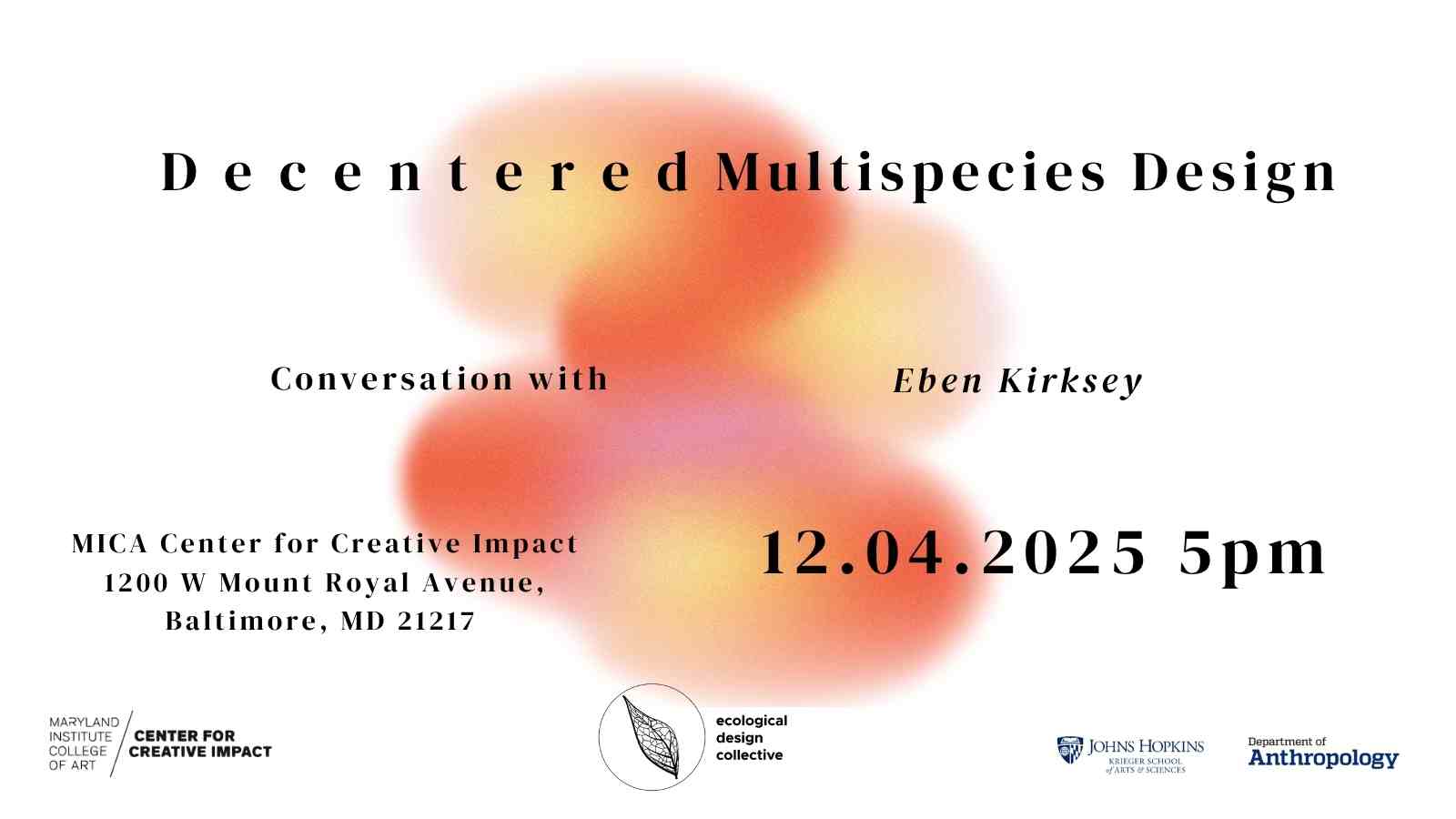
Decentred Multispecies Design
MICA Center for Creative Impact, 1200 W Mount Royal Avenue, Baltimore, MD 21217"Empathy is at the heart of human-centred design projects, which aim to put real people and communities at the core of the design process for…
Free -
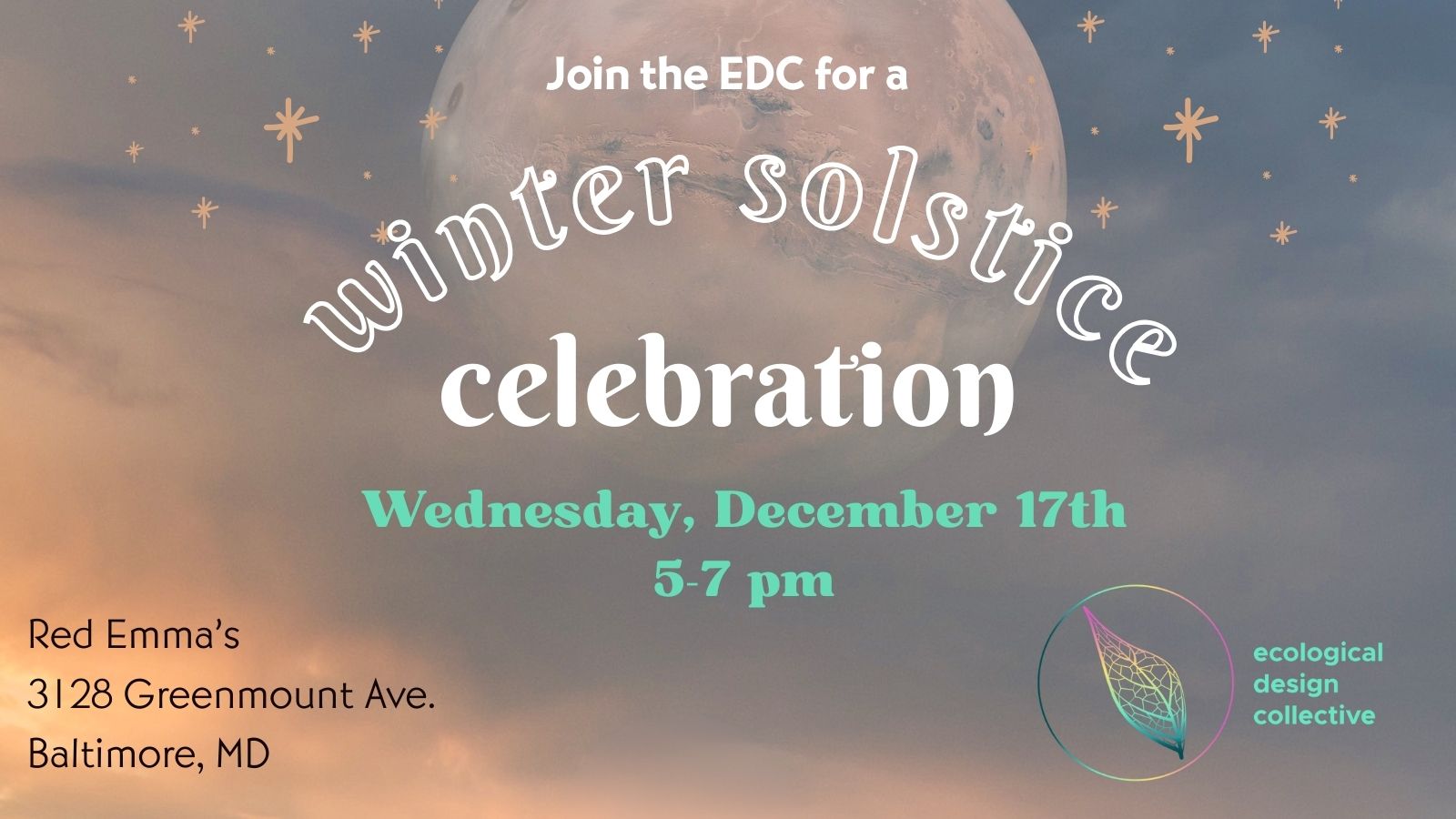
Winter Solstice Celebration with the EDC
Red Emma'sWe hope you can join us for a night of community & connection to celebrate and build together as we shift toward a new season.…
Free -
-
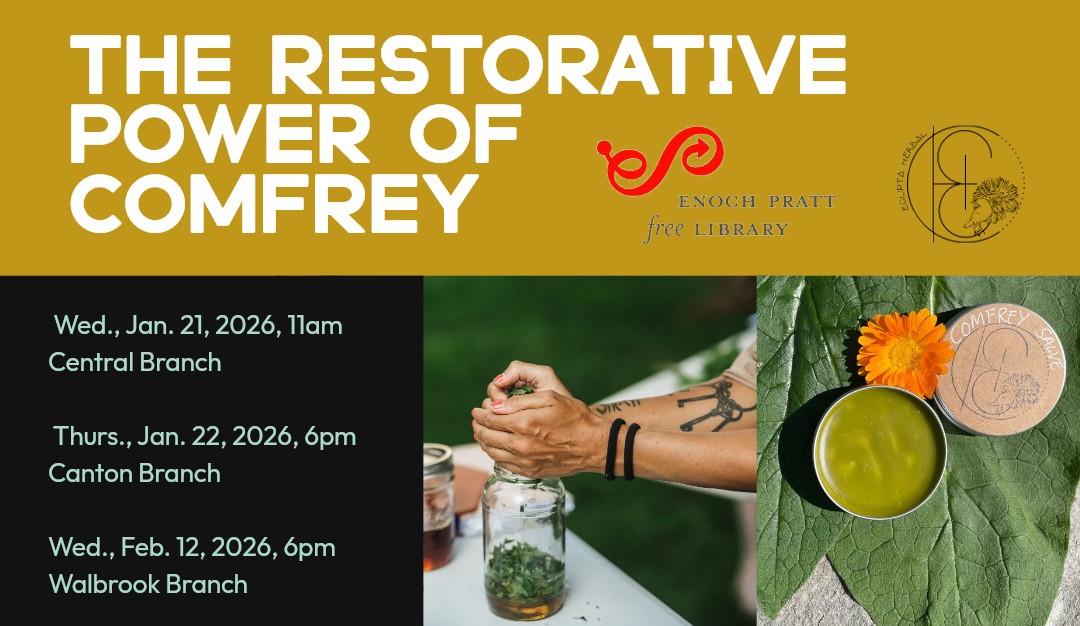
The Restorative Power Of Comfrey: FREE WORKSHOPS
Enoch Pratt Central Library: Creative Arts Center (2nd Floor) 400 Cathedral Street, Baltimore, MD, United StatesSpace for this program is limited; registration is required. ****EACH WORKSHOP IS AT A DIFFERENT LOCATION**** We invite you to gather in community under the…
FREE -
The Restorative Power Of Comfrey: FREE WORKSHOPS
Enoch Pratt Central Library: Creative Arts Center (2nd Floor) 400 Cathedral Street, Baltimore, MD, United StatesSpace for this program is limited; registration is required. ****EACH WORKSHOP IS AT A DIFFERENT LOCATION**** We invite you to gather in community under the…
FREE
Responses