



Michael Degani
Forum Replies Created
-

“Peirce’s definition of virtuality rests, in large measure, on the notion of ‘virtus’ (originally a kind of manly virtue, closely related to words like virile, and so an easy target for critical theory), and this word can be reinterpreted in many ways. For example, if we pair this term with Aristotle’s (2001a) typology of four causes (substantive, material, effective, and telic), as potential modes of ‘virtus’, we get the prototype of virtuality: a virtual X may have the same form (appearance) or function (utility) of X, and yet be composed of a different substance (material) or made by a different artificer (origin). At one extreme, then, we might have a prosthetic arm (functioning, but not appearing, like a real arm). At another extreme ,we might have a gadget that functions like a camera but looks like a cigarette. And somewhere at the intersection of these is the poster- child of virtuality: a digitally rendered experience (linking sensory- motor interaction) that looks and feels likea ‘real’ experience, but is rendered with bits and pixels, and regimented with algo-rithms and interfaces. However, through our pairing of Aristotle and Peirce, we also get some more far- lung possibilities. For example, two entities might be composed of the same materials and created by the same artificer, yet have different forms and serve different functions (for example, the range of products produced by a silversmith). A knife would be a virtual fork. Or, less prototypic still, entities might have the same artificer (say, sieving and serendipity, or parasites and noise), but be composed of different materials, exist in different forms, and have radically different functions (for example, the world of living kinds as generated by natural selection). A spider would be a virtual fly.”
-
Michael Degani
AdministratorMarch 27, 2024 at 3:33 am in reply to: The project of this community spaceHi, I think this is the right place to post this. I am always in awe, just awe, of how brilliant and penetrating a critique Simon Sadler is on matters that we can surely call “ecological design.” When I think about the lineaments of EDC, its mix of Baltimore based social activism (in particular its alliances with black community organizations) and cybernetic enthusiasms borrowed from contemporary ecological philosophy, environmental anthropology, and civic engagement, I really cannot help but feel we are directly downstream of the 1974 edition of the Whole Earth Catalogue’s Co-Evolution Quarterly, in all of its overlaps and tensions between hippies and panthers, as detailed here: https://www.academia.edu/25846853/Mandalas_or_Raised_Fists_Hippie_Holism_Panther_Totality_and_Another_Modernism @anand @Lee @Nicole, here’s to self-knowledge.

academia.edu
Mandalas or Raised Fists? Hippie Holism, Panther Totality, and Another Modernism
In what way was there a "Hippie Modernism," as the Walker Art Center thought-provokingly framed its 2015 exhibition? Modernism implied that human actions can create a better world, and this demanded an understanding of the whole in which
-
Michael Degani
AdministratorJanuary 25, 2024 at 7:32 am in reply to: Ministry for the Future by Kim Stanley RobinsonI enjoyed the conversation, and want to follow up on one point:
One of the real strengths of the book as a kind of cultural road map is to take seriously the power of money and its incentives in driving the plot’s events, thus helping us ordinary people see the anchoring role of central banks and finance in any transition (i.e. ‘putting our money where our mouth is’). To whit, as recently as eight months ago, KSR was endorsing the carbon coin.
-
https://www.thenation.com/article/economy/growth-degrowth-kohei-saito-susskind/
thenation.com
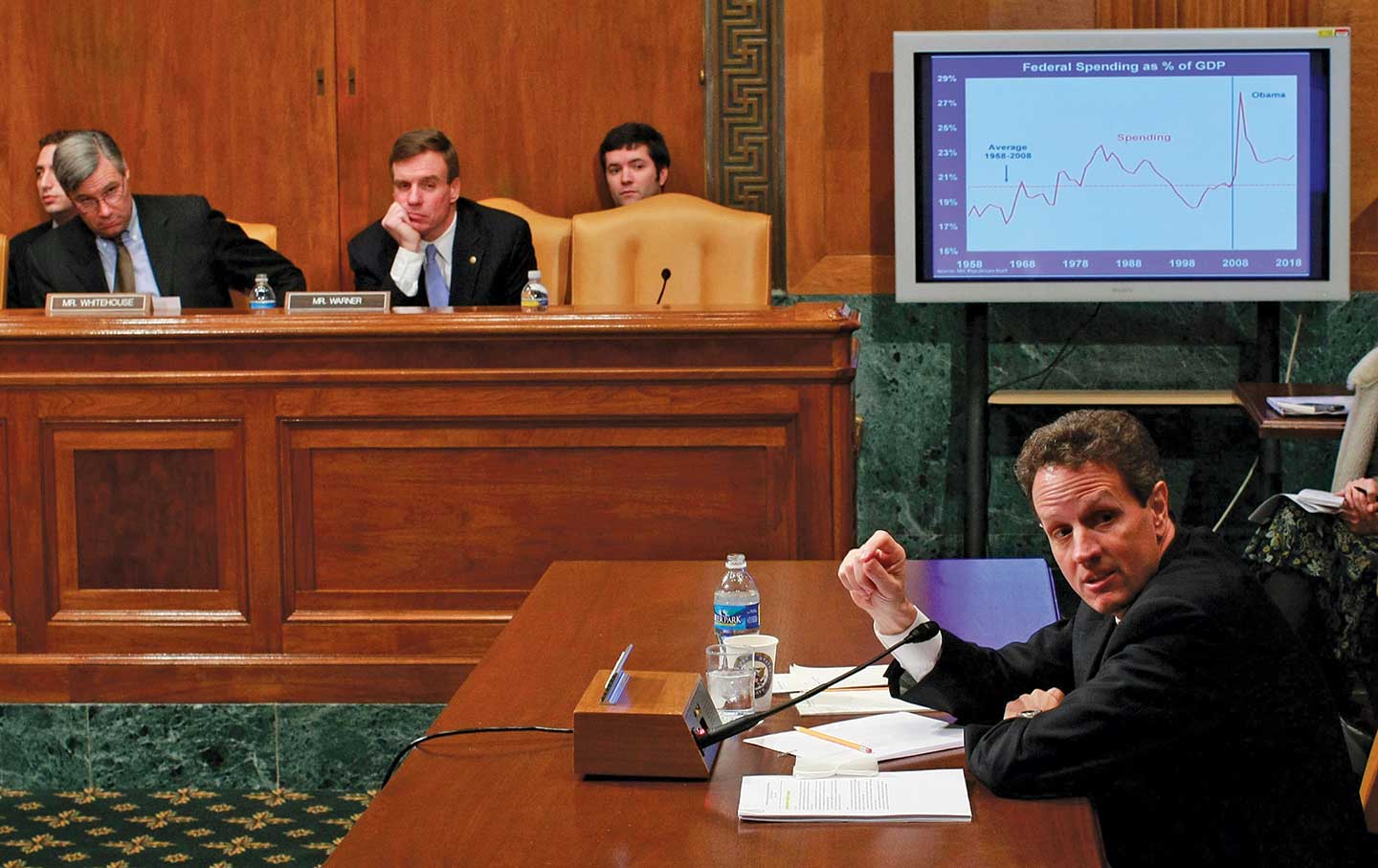
The Intractable Puzzle of Growth
For more than a century, the key measure of a healthy economy has been its capacity to grow and yet if production and consumption continues to expand at their current rate we might risk the very health of the planet.
-
Michael Degani
AdministratorFebruary 10, 2024 at 1:04 pm in reply to: Ministry for the Future by Kim Stanley RobinsonI think you’d do better to take each proposal on its own merit rather than make spurious analogies between them. Bemoaning any and all concrete action short of utopian revolution sounds like bad politics and even worse cli-fi.
-
Michael Degani
AdministratorFebruary 1, 2024 at 2:23 am in reply to: Ministry for the Future by Kim Stanley RobinsonI honestly find that a puzzling characterization of both elements. Solar geoengineering in the book required radical and defiant political will from a nation-state; carbon coin required central banks from the most powerful nation-states to back it. In both cases they are desperate actions held aloft by very specific political-ethical commitments, thoroughly human and vulnerable to mishandling in execution. (It’s like you said in the discussion Anand, money is just human trust materialized). They are not miracle pills; it’s a miracle they work! And just barely at that. If this is about evaluating the book as a work of cli-fi, I like that its willing to delve into boring stuff like monetary policy and able to surface the human drama in it.
-
Michael Degani
AdministratorSeptember 26, 2022 at 12:39 pm in reply to: Outwitting the Law of ExchangeI will send!