Ecological Design Collective
Our Vision.
The Ecological Design Collective was an idea that first took shape in the summer of 2020: at the height of the coronavirus pandemic, in a year of raging wildfires, and in the midst of an international reckoning with the toxic legacies of institutionalized racism and imperialism. The time was one of tremendous hardship and struggle, but also an occasion for many to pause and think about the shape of the world to come.
“The pandemic is a portal,” Indian writer Arundhati Roy suggested, “a gateway between one world and the next.” We took this as a chance to imagine what a collective experiment in ecological design could make possible.
We are living through the most serious ecological crisis in millennia. This crisis stems from a profound disruption of natural systems around the world, economic structures that celebrate such destruction as progress, and social arrangements that inflict the consequences of this damage on the most marginal and vulnerable of populations. The necessary work of repair and regeneration can seem overwhelming. For this is a task both technical and imaginative: we need new ways to produce food and energy, manage water and waste, ensure shelter and well-being, but also the vision to find a place for such alternatives in the fabric of everyday life. These are circumstances that call for ecological and life-centered design, for the conjuring of sustainable futures within and beyond human worlds.

Good design demands an ecological sensibility, a feel for complex needs and unpredictable outcomes. Indeed, design as a practice is one of the most powerful ways to grasp and shape an open world, always on its way to becoming something else. Too often, this capacity is taken as the property of those unique visionaries we call designers, leaving others aside as consumers, recipients, or victims of the consequences.
This again reflects the exclusionary nature of our capitalist present, the harsh legacies of racism and colonialism that have long condoned the exploitation of societies and environments elsewhere. Imagine instead a design process grounded in attentive listening and responsiveness, in a willingness to engage vernacular knowledge, in the insights that arise from shared struggle, in the resourcefulness of the natural world itself.
As a collective for ecological design, we seek to approach these challenges in this more democratic and collaborative spirit. We work with the conviction that there are designers everywhere, drawing on communal traditions and practical expertise to forge other worlds of possibility. We hope this space will bring together social scientists and engineers, activists and artists, people of metropolitan centers and rural locales, those with secure and more precarious places in a global milieu of deep inequality. Working in an interdependent manner, we hope to attune ourselves to ways of seeing, feeling, and learning the world otherwise. We are seeking to build a community for social, economic, and environmental justice, one whose most important lessons will arise from the juxtaposition of radically different perspectives.
We rely here, as with so much in our lives now, on digital infrastructures for communication at a distance, on distributed networks for connection and interchange. But the convenience of mainstream digital infrastructures for communication comes at a significant price: data stored and shared among corporate servers in far-flung places, turning individual identity and attention into commodities for sale. Such monocultural arrangements are fundamentally inconsistent with efforts to address the structural and institutional foundations of the ecological crisis. Here, we rely instead on open source digital technologies, grown in a patchwork manner out of communities of mutual interest, rather than as vehicles of a seamless and market-gobbling enterprise.
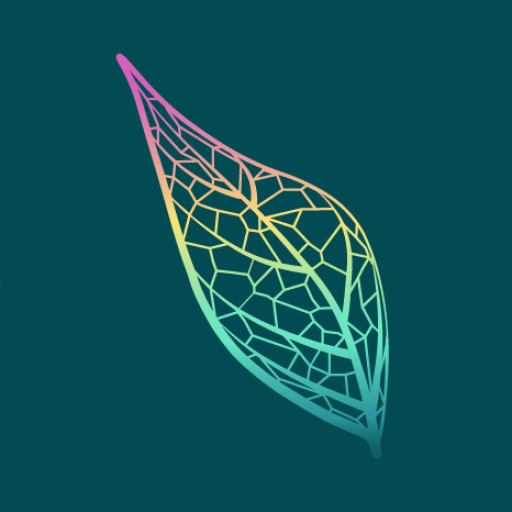
Our logo was designed by Jora Kasapi, an architect and designer based in Tirana, Albania. The motif is based on the form of a leaf skeleton, a network structure found in nature, one that gestures toward both the organic and the machinic. The intricate network of channels that carry nutrients through a leaf reminds us that central lines alone are insufficient for the vitality of any complex structure: minor pathways and redundant connections matter. We draw on this natural example in the spirit of biomimicry, finding good reason to cultivate diverse relationships and transversal connections, to seek and build alternatives to unitary and hierarchical modes of organization.
Effective collaboration takes trust, the slow development of mutual understanding, a process we’ve pursued both in the Baltimore urban milieu where we are rooted and among the relations we’ve been nurturing around the world. Like the previous EDC online framework that it now replaces, we intend this new community platform as a place for exploration without the press of expectation, for patents or returns, pronouncements or prestige. This is instead a place to nurture small experiments in ecological transformation: material and inventive outcomes that always acknowledge their social roots, that take failures as necessary and inevitable compost, that pursue joyful exchange as a vital nourishment for diverse communities.
2020
Founding Vision
Our journey began with a bold idea during difficult times, first taking shape in the summer of 2020: at the height of the coronavirus pandemic, in a year of raging wildfires, and in the midst of an international reckoning with the toxic legacies of institutionalized racism and imperialism.
2021
EDC 1.0 Launches
We committed ourselves to open source communication tools instead of corporate social media when we began building this community in 2021. We started with the sustainable design practicum and an environmental justice workshop series in collaboration with the Black Yield Institute, Baltimore Compost Collective, South Baltimore Community Land Trust.
2022
EDC 2.0
The EDC becomes an independent non-profit project sponsored by Inquiring Systems, joining their slate of projects focused on sustainable and regenerative futures. We also built a completely new community platform, creating an engaging space for ecological visions and organizing events and discussions, and collaborative experiments.
2023
Fostering Community
In 2023 the EDC fostered community through gatherings, mobile and open-source tools, public conversations, environmental justice partnerships, and new subcommunities spanning art, anthropology, climate storytelling, and urban futures.
2024
Theme: Antidotes to Toxicity
In 2024, we centered its work around a unifying theme of reimagining land, using Baltimore as a living site to explore how land is shaped by history, care, creativity, and collective action. Through walking tours, urban farming partnerships, meditative groundings, artistic collaborations, book discussions, and expanded digital spaces, we cultivated new ways of relating to land as a relational, ethical, and imaginative practice rather than a mere resource.
2025-2026
Theme: Antidotes to Toxicity
In 2025, the Ecological Design Collective organized its work around two interlinked thematic arcs: Reimagining the Land in the first half of the year, and Antidotes to Toxicity in the second, inviting participants to rethink relationships to place, soil, infrastructure, harm, and healing. Through Groundings, collaborative projects, creative publishing, and platform expansion, EDC convened artists, scholars, organizers, and community members to explore land as a site of care, repair, and multispecies justice, while naming and responding to the social and ecological conditions that threaten collective wellbeing. Together, these efforts affirmed design, art, and ecological thinking as vital practices for cultivating connection, accountability, and more resilient futures.
Ecosystems, Sustainability, and Justice, Maryland Institute College of Art

School Of Design, Arts, And Communication, Stevenson University

Center for Social Design, Maryland Institute College of Art

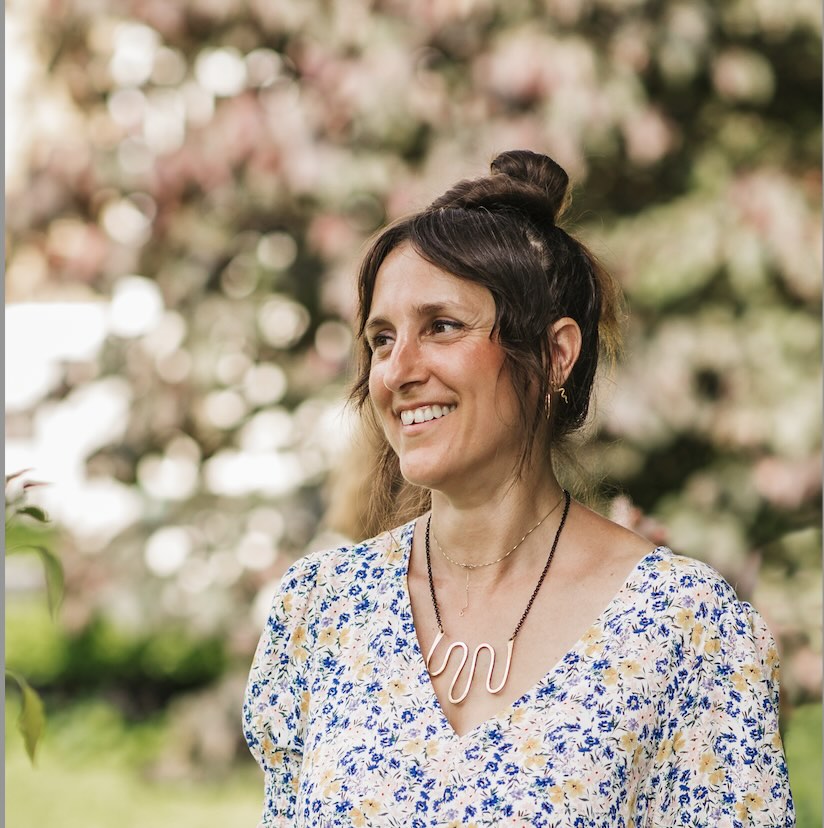
Alyssa Dennis
Earth activist, educator, interdisciplinary artist, and clinical herbalist, founder of Eclipta Herbal
EDC Finance
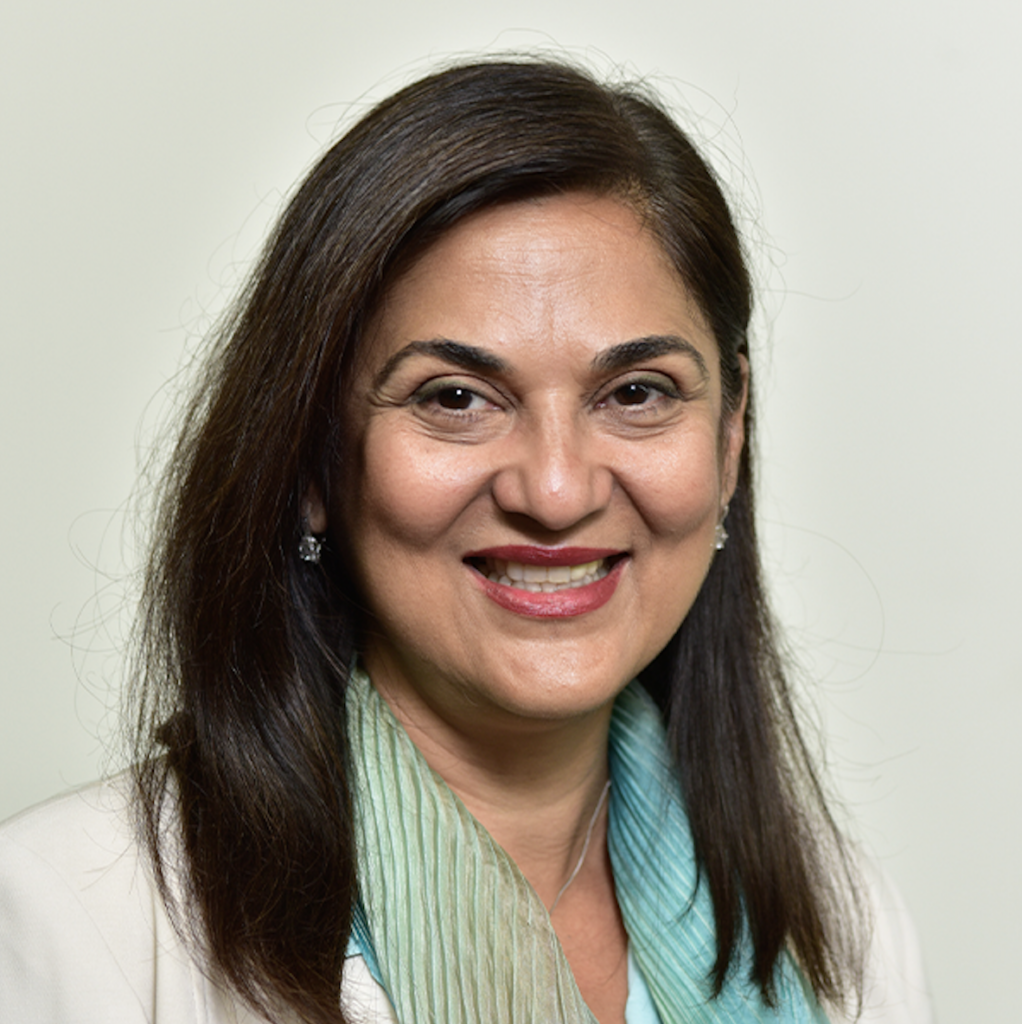
Department of Architecture and Urban Design, Morgan State University
Program in Medicine, Science and the Humanities, Johns Hopkins University
EDC Programming

Graduate Program in Architecture, Morgan State University


Em Piro
Artist, researcher, and community organizer living on the ancestral land of the Puyallup People in the Pacific Northwest, USA
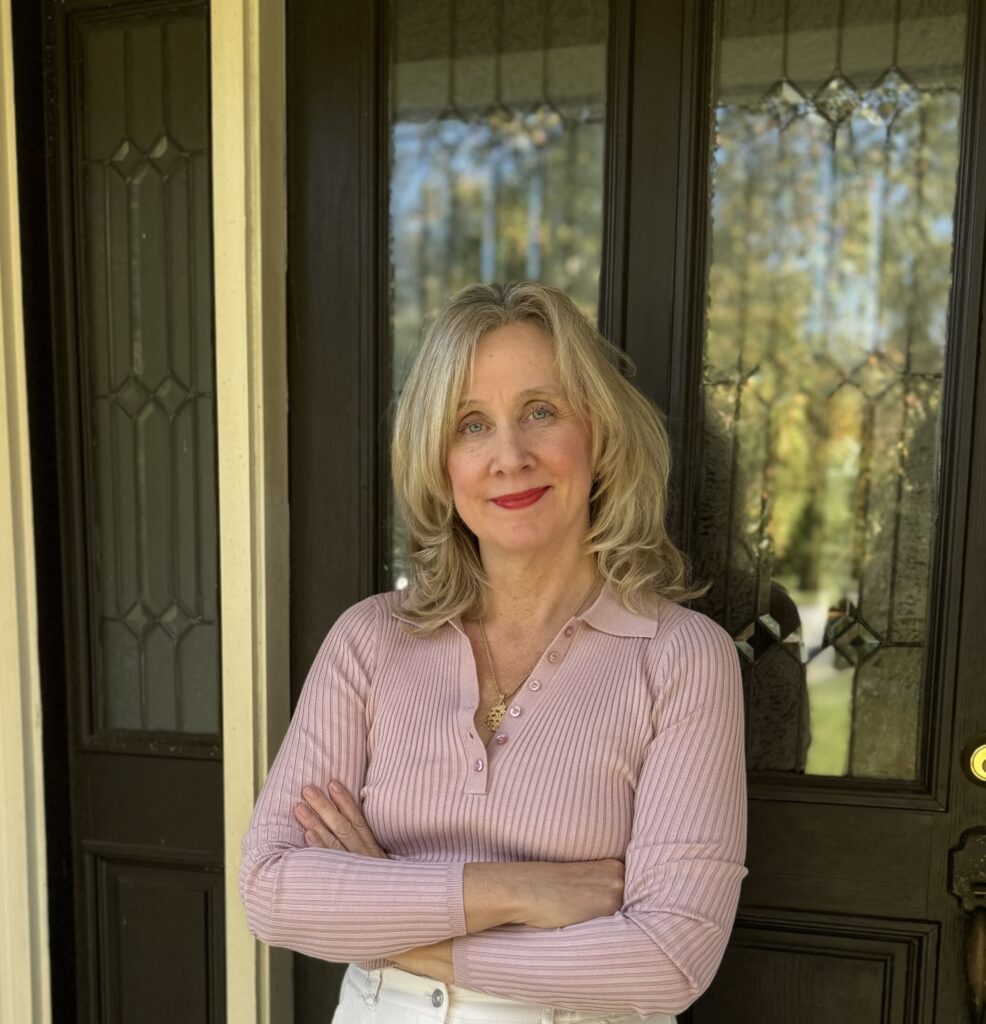
Kristine Roome
Art, Science, and Culture, Smithsonian Institute in Washington, D.C.

Department of Advanced Studies in Education, Johns Hopkins University
EDC Graduate Fellow

Architecture, Urbanism, and Built Environments, Morgan State University
EDC Development

Siyu Xie
Department of Comparative Thought and Literature, Johns Hopkins University
EDC Graduate Fellow
Intern
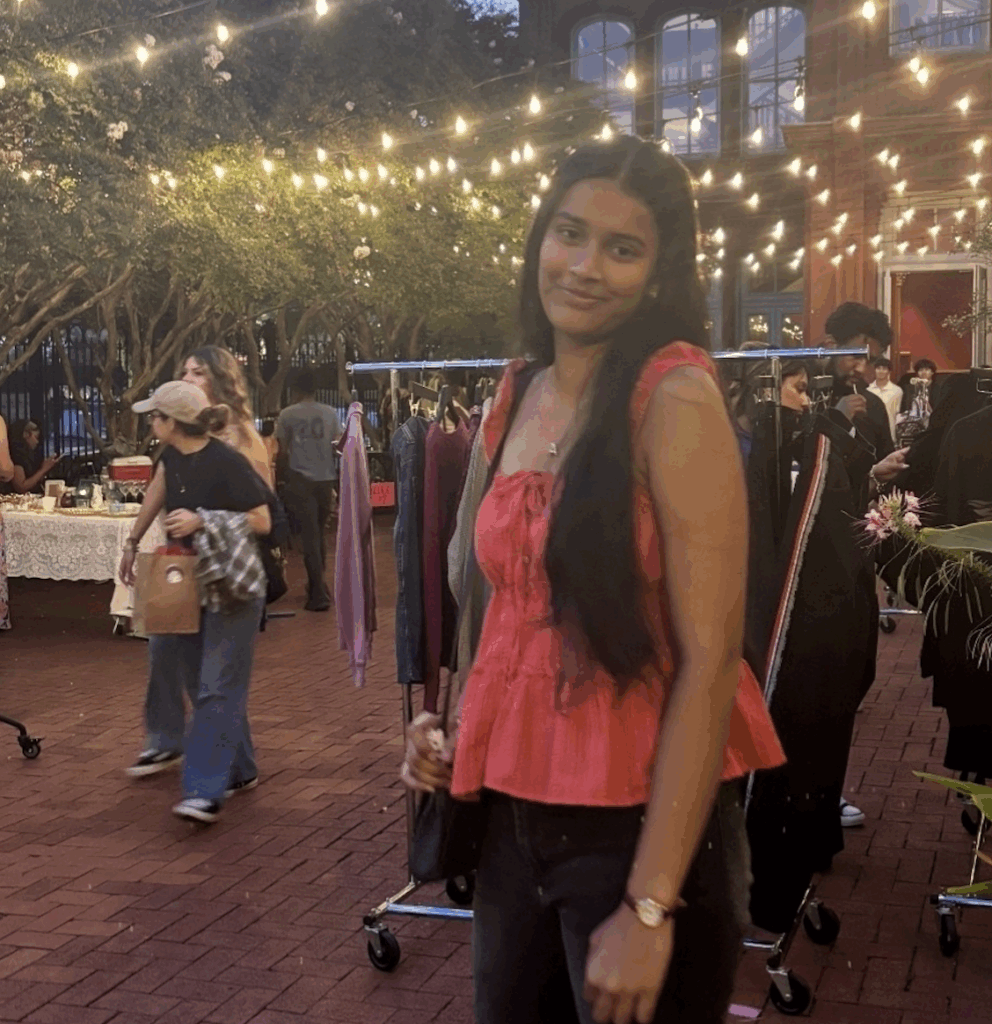
Aashka Shah
Undergraduate in Neuroscience and Cognitive Science, Johns Hopkins University
Our Partnerships
At the Ecological Design Collective, we recognize that transformative ecological design emerges from collaboration. Our partnerships with like-minded organizations, communities, and individuals amplify our collective impact and help us envision a more just and sustainable world. By working together, we share knowledge, co-create innovative practices, and build networks of care and resilience.